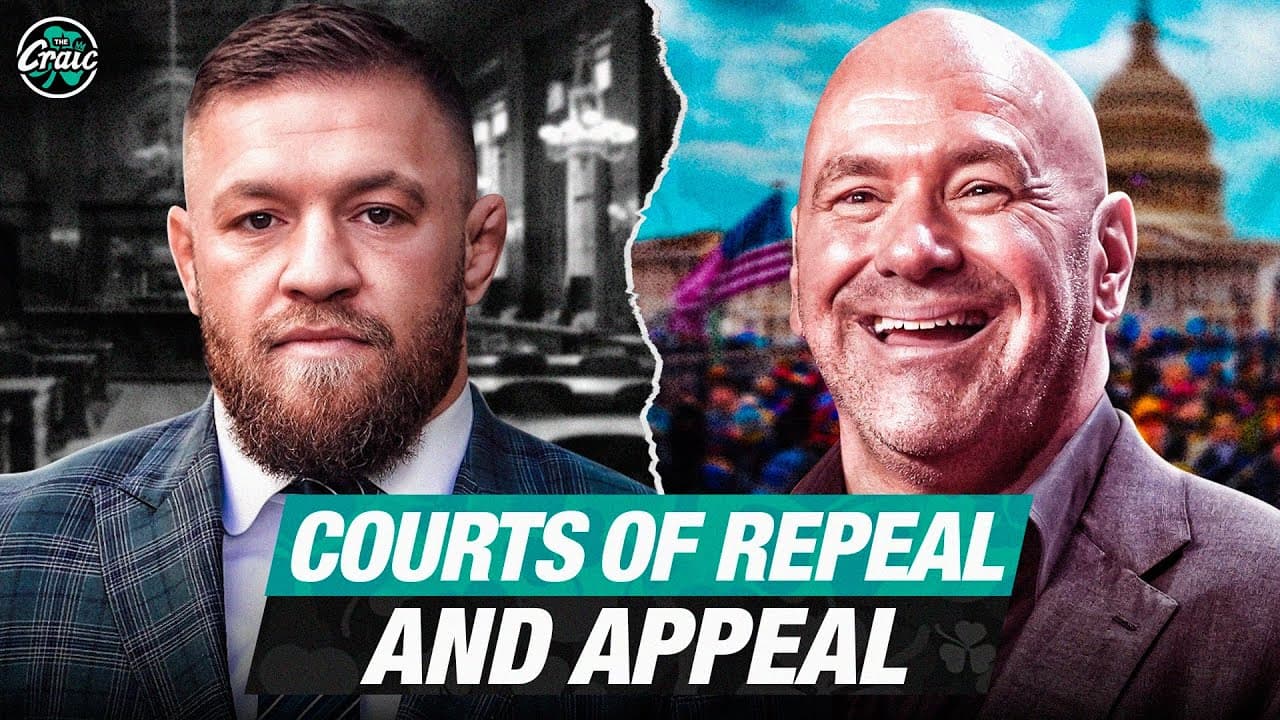

The Muhammad Ali American Boxing Revival Act (H.R. 4624) has cleared its committee hurdles and is now on the Union Calendar as of February 25, 2026, setting the stage for a full vote on the floor of the U.S. House of Representatives.
The bill, first introduced in July 2025 by Rep. Brian Jack (R-GA), would update federal boxing law for the first time in 25 years by amending both the Professional Boxing Safety Act of 1996 and the original Muhammad Ali Boxing Reform Act of 2000. It passed the House Education and Workforce Committee by a 30-4 margin, reflecting strong bipartisan support.
Central to the legislation is the creation of "Unified Boxing Organizations" (UBOs) — integrated entities that could handle promotion, rankings, titles, and sanctioning under one roof. Fighters would have the choice of operating within either the traditional sanctioning body system or the new UBO framework.
What the Bill Would Do
If passed, the law would establish federal minimum standards across the sport, including a $200 per-round minimum purse, contracts capped at six years, mandatory anti-doping programs, and enhanced medical requirements for fighters over 40. UBOs would also be required to provide training facilities and injury insurance, while fighters would not be charged sanctioning fees.
TKO Group — the parent company of both the UFC and WWE — lobbied in support of the measure. The California State Athletic Commission voted unanimously in favor of it last October, and Lonnie Ali, widow of Muhammad Ali, has also backed the bill publicly.
Critics Remain Vocal
Opposition has been steady since the bill's introduction. The WBC, independent promoters, and fighter advocates have raised concerns that allowing a single entity to control promotion and sanctioning removes the conflict-of-interest firewalls that were a cornerstone of the original Ali Act. Critics argue the UBO structure could allow TKO to dominate boxing the way the UFC controls MMA, consolidating matchmaking power and limiting competition.
The MMA Fighters Association previously circulated a petition urging athletes to oppose the bill, calling it an extension of the UFC's monopoly model rather than a genuine fighter protection measure.
With the bill now calendared for a House floor vote, the next step is determining when leadership schedules the measure for debate. If it clears the House, it would then move to the Senate before reaching the President's desk.