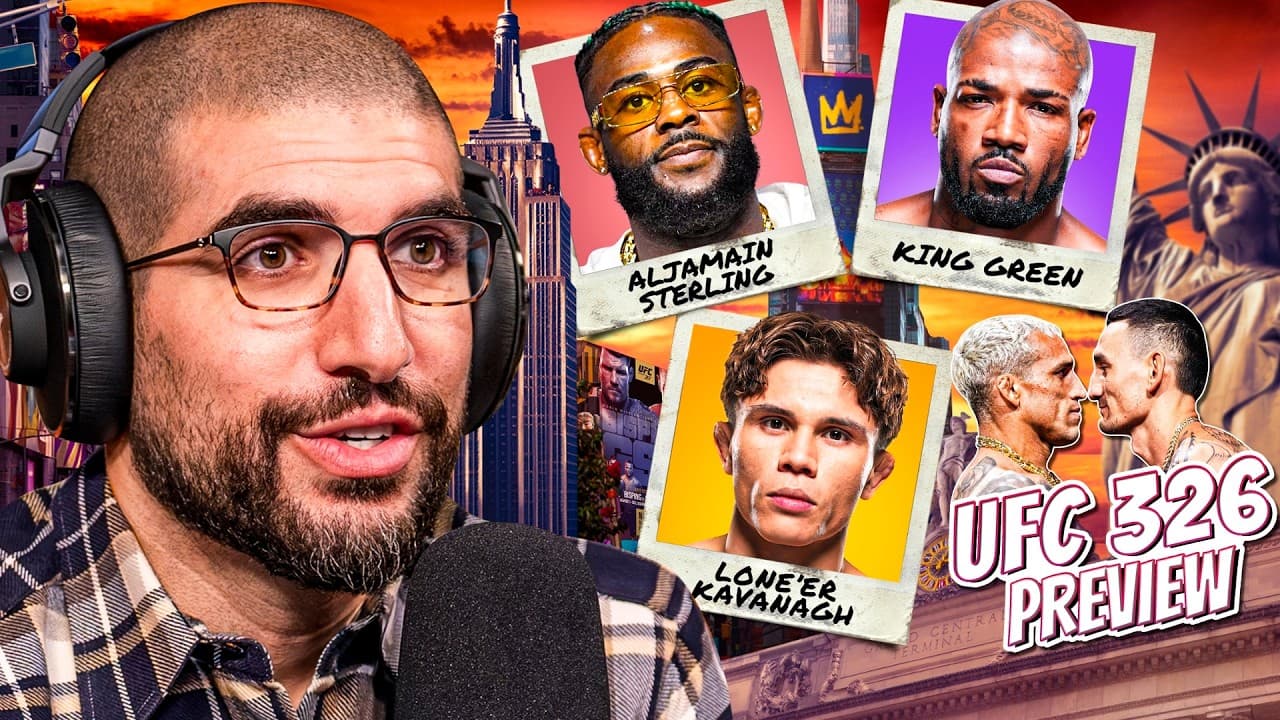




During a recent appearance on The Ariel Helwani Show, UFC veteran Matt Brown delivered a stark assessment of the current state of fighter representation and compensation in mixed martial arts.
Matt Brown Calls Out Systemic Failure in UFC Fighter Advocacy: No One Fights for Fighters
Speaking with the passion of someone who has spent 16 years inside the UFC while also learning about the business side of the promotion post-retirement, Brown articulated a fundamental problem plaguing the sport: the complete absence of meaningful advocacy for fighters across every level of combat sports infrastructure.
He
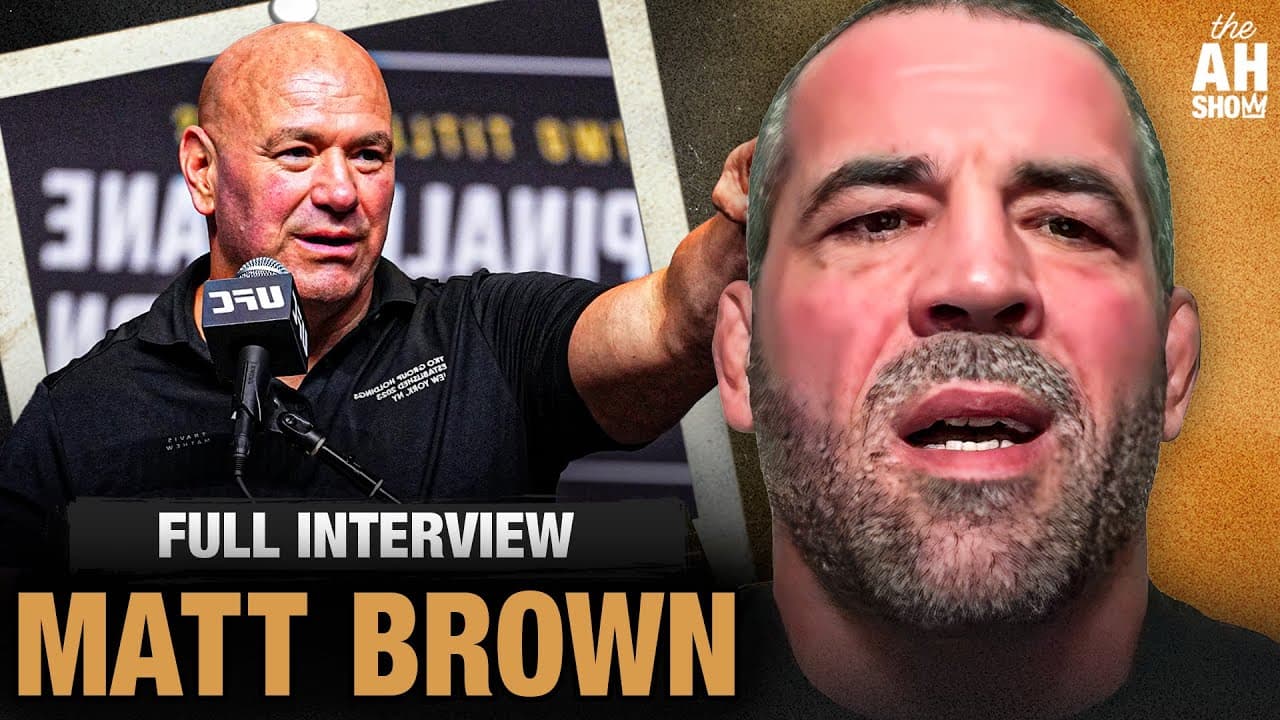
"No one fights for the fighters. The commissions won't do a single thing for the fighters. That's literally what their job is for. They're not there to work for TKO or the UFC. They're there to work for the fighters. And the politicians have all been bought out. The managers don't do anything. The media is controlled. There's no one there for us."
Brown's comments came in the aftermath of his testimony before the California State Athletic Commission regarding the Muhammad Ali American Boxing Revival Act, where he stood out among over 90 public commenters for the raw conviction behind his message. The commission voted 6-0 to support the controversial legislation on October 15, 2025, despite overwhelming opposition from MMA fighters and industry observers who viewed the act as a roadmap for applying UFC-style monopolistic practices to boxing.
The core issue Brown identified extends across multiple institutional failures. He characterized the role of athletic commissions as fundamentally contradictory to their stated purpose. Athletic commissions exist to protect fighters, Brown argued, yet they consistently vote in ways that favor promoters and corporate entities.
In the case of the Ali Act hearing, the commission's unanimous support for legislation that MMA fighters believe would harm their sport's athletes demonstrated this misalignment. Brown stated that commissions "won't do a single thing for the fighters" despite that being "literally what their job is for" and that they exist "to work for the fighters," not for TKO or the UFC.
The financial disparity between the UFC as a multi-billion-dollar enterprise and fighter compensation underscores the urgency of Brown's advocacy. The UFC generated $1.4 billion in revenue in 2024, surpassing the previous year's $1.292 billion. Yet fighters receive an estimated 14.5 to 16 percent of total revenue, translating to approximately $200 million distributed among hundreds of athletes competing across the organization.
This stands in stark contrast to other major sports leagues: the NBA distributes roughly 50 percent of revenue to players, while major league baseball allocates approximately 48 percent. Brown emphasized that despite record-breaking revenues, the UFC's response involves only minimal increases to discretionary bonuses - amounts he characterized as insignificant relative to the organization's financial scale. He added:
"Fighting should be about competing and making a living, but the reality is there’s a huge power imbalance. UFC is a multi-billion-dollar business, yet the fighters get 0% of that revenue. They might up the bonuses by 10K or something, but that’s minimal compared to the scale of the business."
He contended that politicians involved in regulatory and legislative decisions affecting fighters have been compromised through lobbying and financial influence. This assessment aligns with documented evidence of UFC influence over athletic commissions and regulatory bodies.
The Nevada State Athletic Commission, which oversees events in the state where the UFC hosts its most significant fights, has historically maintained close relationships with UFC leadership. Lorenzo Fertitta, one of the UFC's original owners, was appointed to the Nevada commission in 1996, and subsequent UFC executives have maintained strategic relationships with regulatory bodies and political figures.
Perhaps most cutting was Brown's assessment of fighter representation structures. He highlighted the failure of managers and agents to advocate on behalf of their clients. According to Brown, attorney Rob Macy, a lawyer working on fighter advocacy initiatives, reached out to multiple managers regarding participation in antitrust litigation, and not a single manager agreed to work with the plaintiffs. This represents a systemic betrayal of fighter interests, as managers' primary obligation should theoretically be to their clients rather than to their relationship with the promotion.
Brown suggested that managers consistently prioritize maintaining favorable standing with the UFC over advocating for the fighters they represent, a dynamic that undermines the entire fighter advocacy structure.
Brown's frustration ultimately stemmed from a recognition that despite clear evidence of monopolistic market conditions and fighter exploitation, no institutional actor possesses both the power and the motivation to intervene on the fighters' behalf. The 2024 settlement of the Le v. Zuffa antitrust lawsuit resulted in a $375 million payout to fighters, with Judge Richard Boulware specifically criticizing the UFC's contract practices and noting the prevalence of class-action waivers that prevented many fighters from participating in the lawsuit.
Yet even this landmark victory failed to produce structural reforms that would address the underlying power imbalance. The UFC remains the only viable employer for most elite fighters, granting it unilateral control over contract terms, compensation structures, and the ability to suspend or restrict any fighter's career.
The reality Brown articulated reflects a system where power has concentrated entirely with promoters, where regulatory bodies have become captured by the industries they oversee, where political actors lack adequate incentive to intervene, and where the fighters themselves lack sufficient leverage to enforce their own interests.