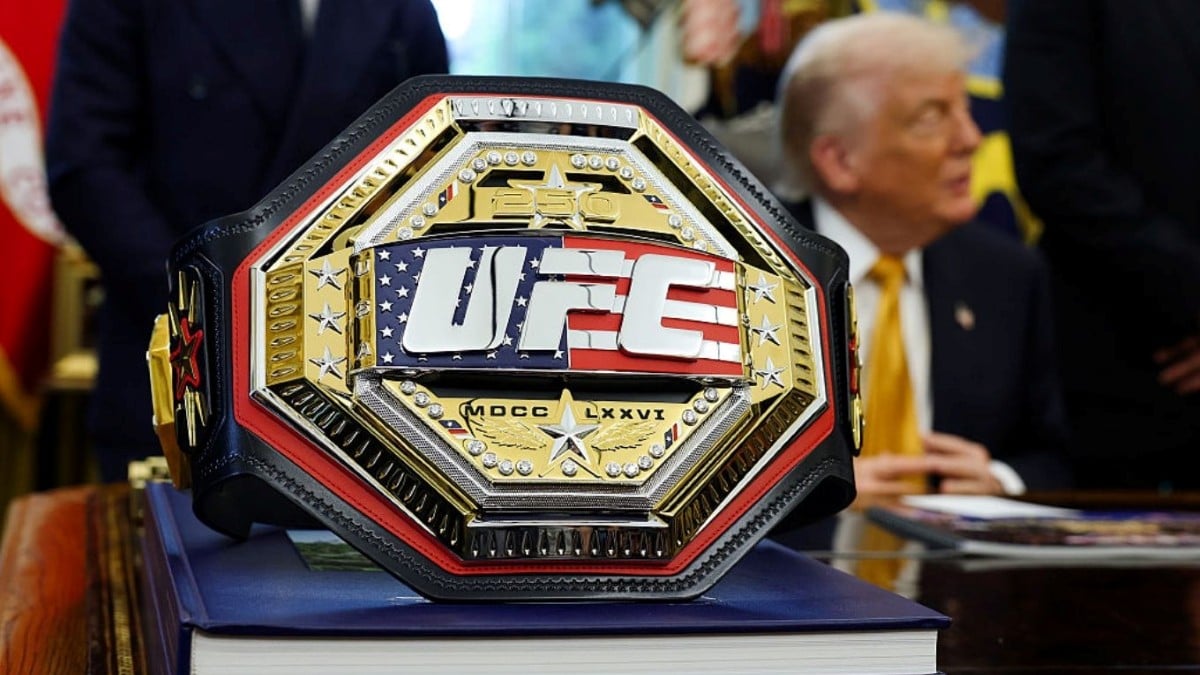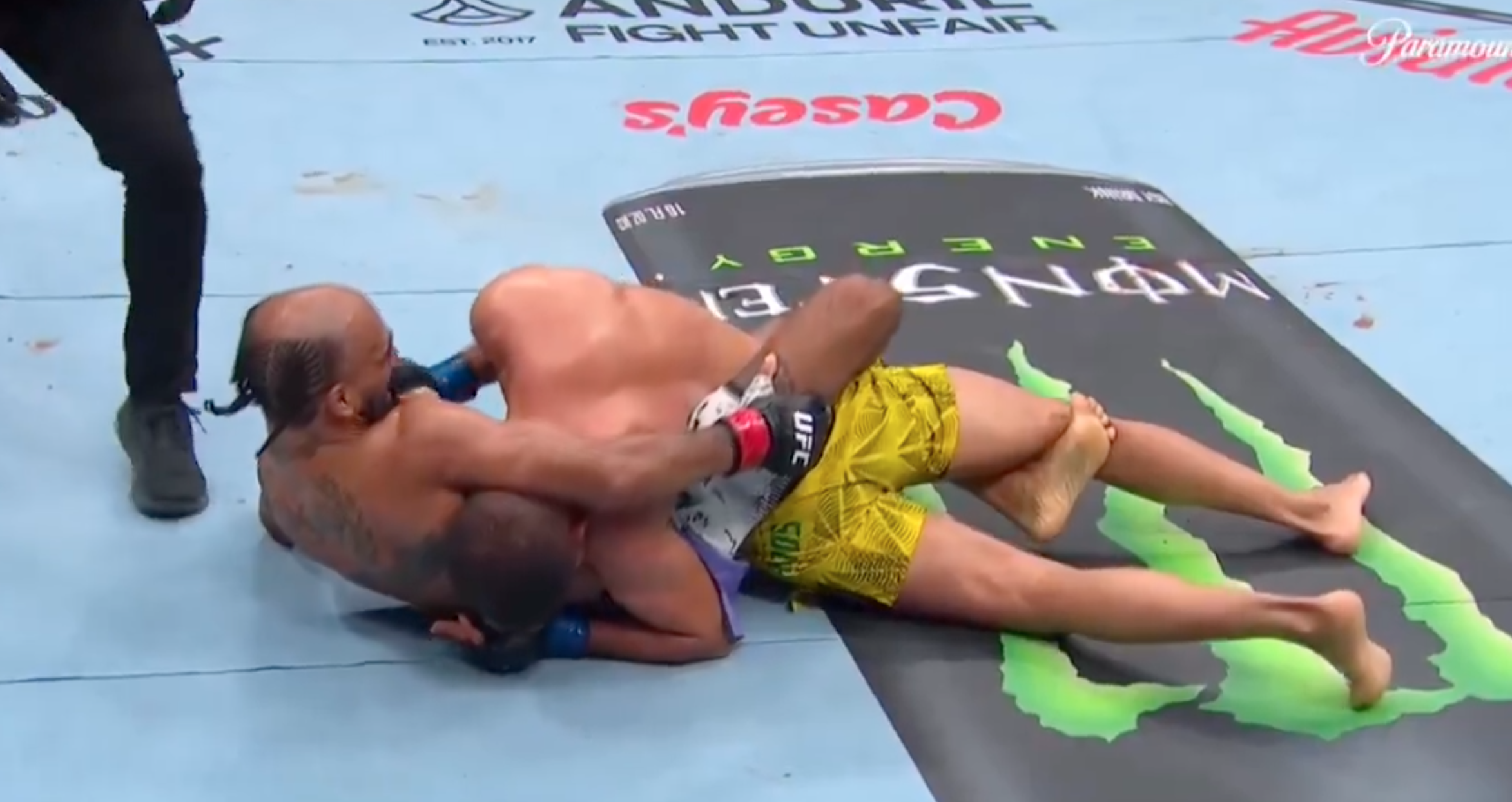
Dustin Poirier recently revealed that the UFC never explained how fighter pay would change following the promotion’s move to Paramount+ under its landmark $7.7 billion deal.
Under its new streaming agreement, the MMA promotion is set to generate roughly $1.1 billion annually, more than doubling its previous earnings under its media deal with ESPN. Traditionally, UFC fighters have competed under show-and-win contracts, receiving a guaranteed purse to appear and an additional bonus for a victory. On top of that, champions and top-tier stars have historically benefited from a share of pay-per-view revenue.
However, with PPV largely phased out in the United States under the new Paramount+ deal, that lucrative revenue stream is disappearing. As a result, some fighters stand to lose a significant portion of their income. According to “The Diamond”, the UFC has yet to clearly outline how the new pay structure will be adjusted to account for these changes.
During a recent appearance on The Joe Rogan Experience MMA Show, Dustin Poirier weighed in on the UFC’s new deal with Paramount+, revealing that despite being one of the promotion’s biggest pay-per-view draws, he has been left without clarity on the current fighter pay structure.
The former interim lightweight champion also noted that he has repeatedly pushed UFC executives for answers, but has yet to receive any meaningful response.
I’ve been asking every show — I ask everybody. I want to know, because my last few years in the UFC, I was… Nobody’s telling me. They’re keeping me in the dark. What the f*ck is that? Keeping me in the dark, man. I was a pay-per-view partner for multiple fights with the UFC.
Poirier’s concerns extend beyond just his own pay. He questioned whether the UFC, no longer reliant on selling individual PPVs, will remain as committed to consistently putting together the biggest possible matchups.
How much is the UFC going to put the biggest fights together? Because they don’t need to sell pay-per-views. They’re guaranteed money,” he said.

PPV Points Were The Entire Promise
For years, the UFC’s PPV revenue share served as the primary incentive for fighters to rise through the ranks while accepting relatively modest base pay.
Dustin Poirier confirmed that this structure was often presented during contract negotiations as a motivating reward, positioned as the ultimate payoff at the end of a long path toward a title opportunity.
Earlier this year, former UFC two-division champion Conor McGregor made a similar argument, declaring his UFC contract essentially void because it was structured around PPV sales that no longer exist.
The broader question of how the UFC’s Paramount windfall flows back to fighters remains unanswered. As MMA News analyzed when the deal was announced, fans likely benefit from increased access while fighters risk losing the PPV upside they had counted on.
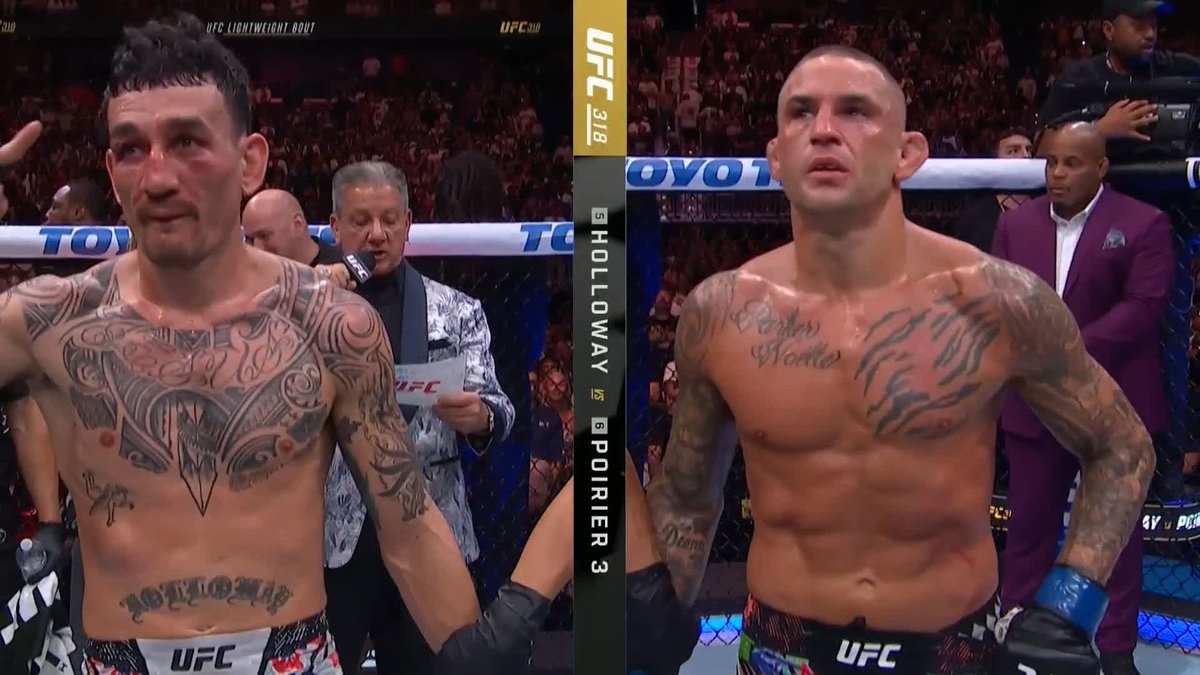
Poirier retired in July 2025 following a unanimous decision loss to Max Holloway at UFC 318, but still has fights remaining on his UFC contract. For a fighter who headlined multiple pay-per-view events and built his legacy in the UFC over a decade-plus career, not knowing how pay is structured on the back end of that run is a jarring reality.